History of Loyalty - From Ancient Virtue to Modern Programs

Hubble Gift AdvisorGift Card Support Team
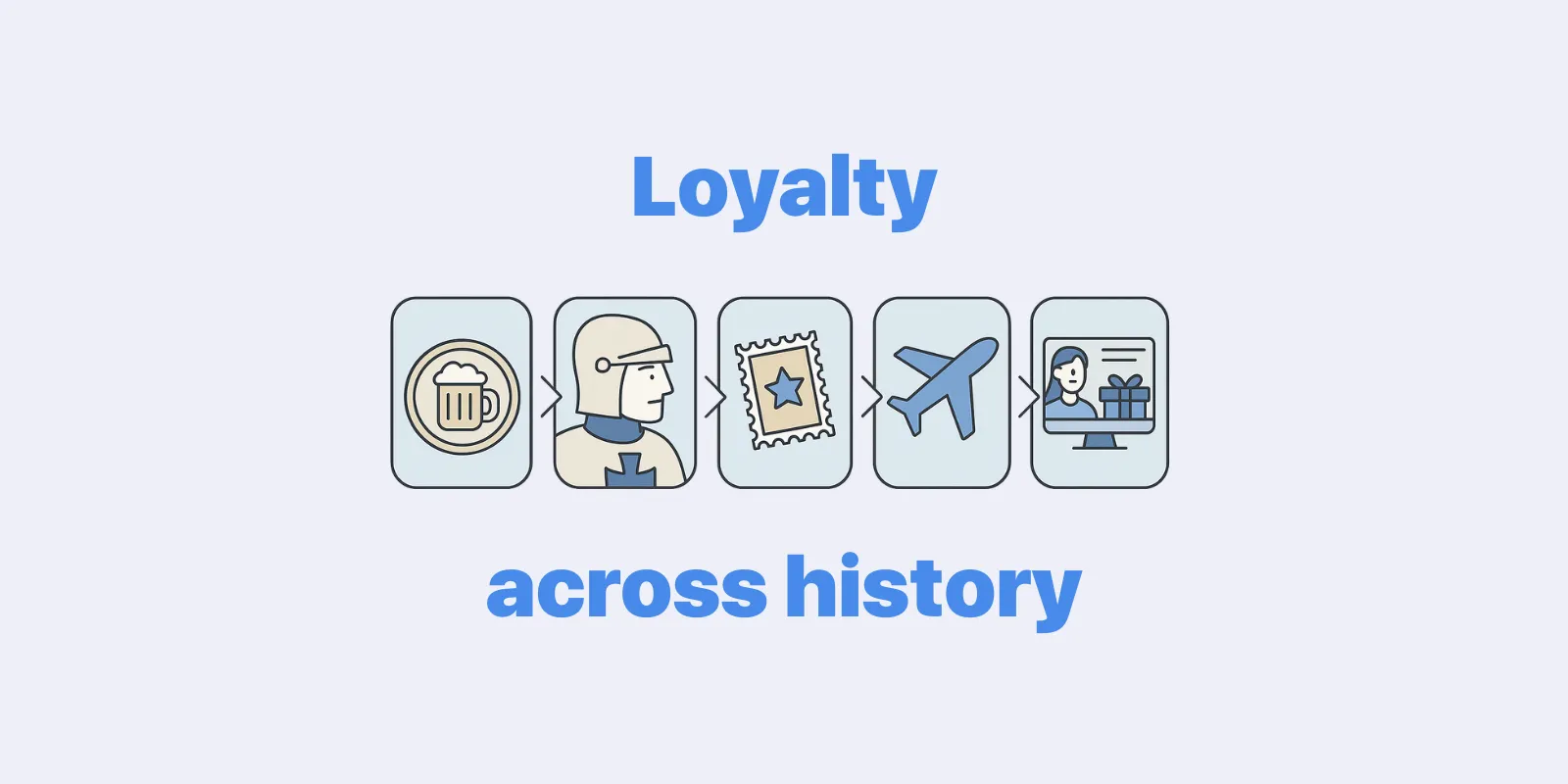
Loyalty is a concept as old as civilization itself, deeply woven into the fabric of human relationships, governance, and commerce.
Its meaning and application have evolved, but the core idea (faithfulness or allegiance to a person, group, or cause) remains timeless.
Below is a chronological exploration of loyalty, blending its social, cultural, and commercial dimensions.
🤔 Did You Know?
The first frequent flyer program was launched by American Airlines in 1981, changing the way travelers earn rewards forever!
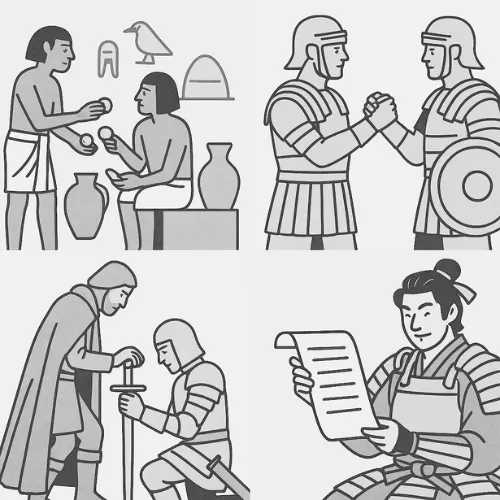
Loyalty roots: from Egyptian tokens to samurai scrolls.
Ancient Civilizations
Loyalty was foundational in early societies, where tribes and clans depended on allegiance for survival and cohesion.
In Ancient Egypt, tokens representing beer and bread were used to reward workers, a precursor to loyalty incentives.
In Ancient Rome, loyalty was everything. Soldiers and citizens alike pledged allegiance to the state and their leaders, keeping society strong and orderly.
Fast forward to Medieval Europe: knights and vassals made solemn vows to their lords, promising loyalty in exchange for protection and land which was a system that built empires and legends.
Feudal Loyalty & Bushido
In Japan, the samurai lived by Bushido, a code where loyalty was as important as bravery. Betrayal wasn’t just dishonorable; it was unthinkable.
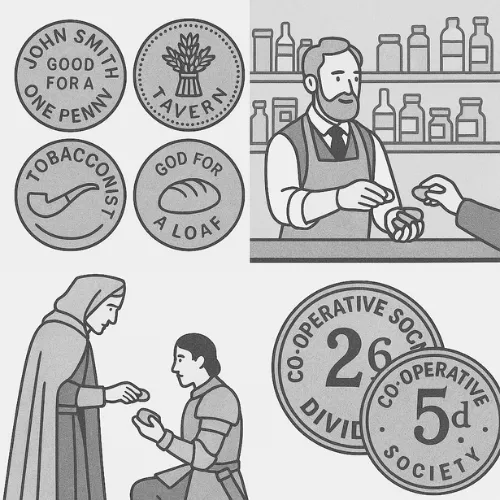
Where corner shops first rewarded customer devotion.
Copper Tokens (1793):
Picture a small-town store in New Hampshire, 1793. Shoppers get copper tokens with each purchase. Save enough of these and you score free goods!
This was the world’s first commercial loyalty program, and it caught on fast.
Co-op Dividend Tokens (Mid-1800s):
Across the Atlantic, British co-ops handed out shiny metal tokens. Members cashed them in on on the “Dividend Day” which was a social event and shopping spree rolled into one.
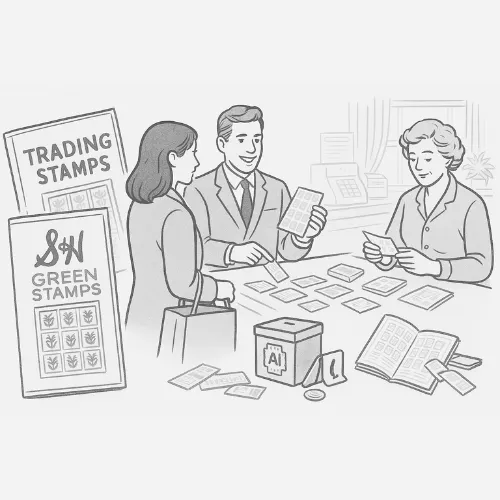
Stamps, booklets, and the rise of household loyalty.
Checks, Tickets, and Coupons:
American stores like A&P and Grand Union Tea gave out coupons with every purchase. Shoppers collected these like treasure, trading them for luxury goods.
Think of these as the original “points for prizes”.
Trading Stamps (1890s):
Suddenly, everyone was collecting stamps. If not for mail, but for stuff!
Retailers handed out trading stamps, and families pasted them into booklets to swap for everything from toasters to toys.
Loyalty had gone mainstream.
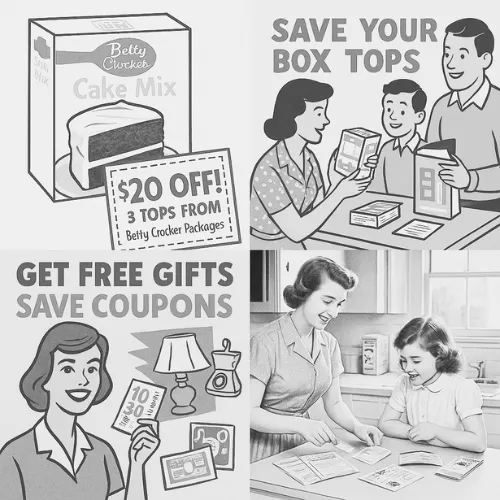
Box tops, brand trust, and the homemaker’s reward ritual.
Betty Crocker Coupons (1921):
In kitchens across America, families snipped box tops from Betty Crocker products. These could be traded for kitchenware thereby turning grocery shopping into a game. The program lasted decades and became a household tradition.
Marketers got curious: What makes people loyal? In the 1920s, Melvin Thomas Copeland talked about “brand insistence,” and by the 1970s, scholars had counted over 50 definitions of brand loyalty. Clearly, it was more than just a shopping habit.
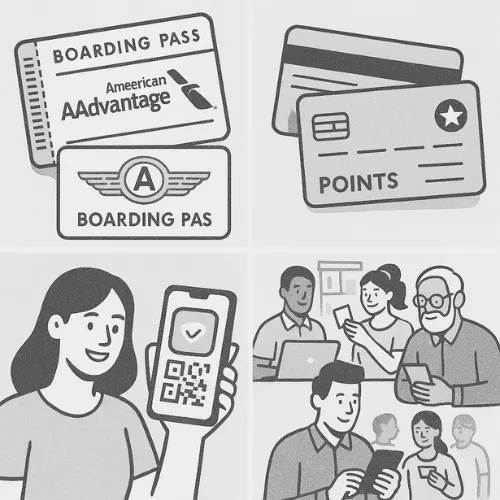
From airline miles to QR codes: loyalty goes digital.
Frequent Flyer Programs (1981):
American Airlines launched AAdvantage the first frequent flyer program. Now, miles meant more than distance; they meant free flights, upgrades, and a new era of customer loyalty.
Points and Aggregators (1990s):
Enter the age of credit cards and loyalty “aggregators.” Now, you could earn points on almost anything, and spend them across different brands. Shopping had never been so rewarding.
Digital and Lifestyle Integration (2000s–Present):
Loyalty programs went digital. Mobile apps, personalized offers, and even crypto rewards.
Today, brands reward not just purchases, but social shares, reviews, and even healthy habits.
Loyalty is woven into our daily lives, and the future looks even more interactive.
Ancient Egypt 🏺
Beer & Bread Tokens
Ancient Era Show More ▼
Ancient Egyptians used beer and bread tokens as an early reward system for labor. Workers received these tokens as payment, which could be exchanged for food and drink. This represents one of humanity’s first structured loyalty and reward systems, establishing the foundation for incentivizing work and building worker loyalty.
Ancient Rome 🏛️
Loyalty to State & Superiors
Civic Duty Show More ▼
In Ancient Rome, loyalty was a celebrated civic virtue. Allegiance to the state and superiors was essential for maintaining order and honor, forming the backbone of Roman society and military discipline.
Medieval Europe 🛡️
Oaths of Fealty
Feudal Loyalty Show More ▼
Knights and vassals swore oaths of fealty to their lords, binding them in mutual obligation and trust. This structured system defined both social hierarchy and military strength in medieval society.
1793 (USA) 🪙
Copper Tokens for Purchases
Early Commerce Show More ▼
In 1793, American merchants began distributing copper tokens with purchases. Customers could collect and redeem these tokens for goods, marking the first documented commercial loyalty program.
Mid-1800s (UK) 🏪
Co-op Dividend Tokens
Cooperation Show More ▼
British cooperative societies issued dividend tokens made from tinned iron or zinc. Members collected these and redeemed them for cash or goods, strengthening community and loyalty.
Late 1800s 🧾
Checks, Tickets & Coupons
Premiums Show More ▼
Retailers like A&P and Grand Union Tea issued coupons and tickets with purchases, which could be exchanged for luxury goods, setting the stage for modern premium loyalty programs.
1890s 🏷️
Trading Stamps
Stamps Show More ▼
Trading stamps were given with purchases and collected in booklets, then redeemed for products. This innovation made loyalty programs a mass-market phenomenon.
1921 🍰
Betty Crocker Coupons
Household Loyalty Show More ▼
General Mills launched the Betty Crocker coupon program, letting families collect box tops to redeem for kitchenware. It became an American icon, influencing household loyalty for decades.
1981 ✈️
American Airlines AAdvantage
Frequent Flyer Show More ▼
American Airlines launched the first frequent flyer program, rewarding customers with miles for travel. This innovation transformed loyalty into a scalable business tool adopted worldwide.
1990s 💳
Co-branded Credit Cards & Aggregators
Points Era Show More ▼
Co-branded credit cards and loyalty aggregators let customers earn points on any purchase and redeem across brands, making loyalty more flexible and accessible than ever.
2000s–Present 🚀
Digital, Data-Driven & Lifestyle Loyalty
🌐Modern Era Show More ▼
Loyalty programs now use AI, apps, and data to create seamless, personalized rewards across every touchpoint.
Today, businesses can craft loyalty experiences that are not only rewarding but also deeply relevant to each customer. If you’re interested in building a modern, data-driven loyalty program, Hubble is helping brands make that leap.
Loyalty isn’t just about points or perks. It’s about trust, belonging, and the ties that bind us whether in ancient tribes, royal courts, or today’s global brands.
Looking to bring the power of loyalty into the digital age?
At Hubble, we help brands create unforgettable, data-driven loyalty experiences that delight customers and drive growth.
Whether you’re inspired by ancient tokens or modern digital rewards, our platform makes it easy to launch, manage, and personalize loyalty programs that stand the test of time.
Discover how Hubble can help you build the next chapter in loyalty’s remarkable story. Learn more at Hubble
1,000+ corporates served.