Balancing Personalization and Privacy in Consumer Loyalty Programs

Hubble Editorial TeamContent Development
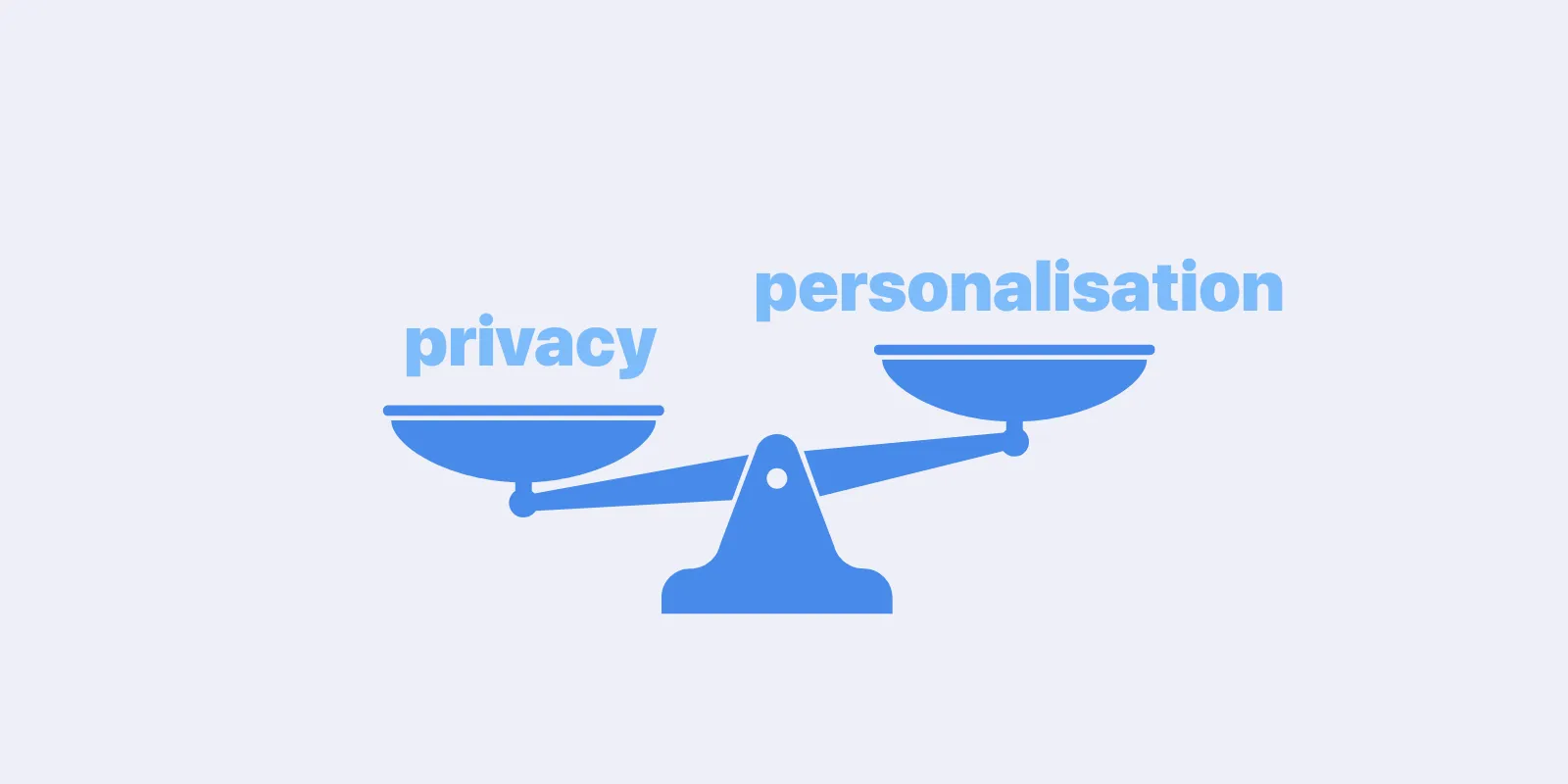
Personalization is the engine of modern loyalty programs, but privacy is what keeps customer trust running.
As regulations tighten and consumer expectations rise, brands must deliver tailored experiences without crossing the line into overreach or risk.
Here’s how leading programs are succeeding in 2025.
Loyalty programs must now comply with GDPR, CCPA, and a growing web of regional laws.
Key requirements include:
94% of consumers are likely to remain loyal to brands offering complete transparency about data use.
Data breaches in loyalty programs can be catastrophic. The 2023 Caesars Entertainment breach exposed data from 65 million members and led to class action lawsuits.
The average annual activity rate across loyalty programs is 59%, meaning over half of members are active and at risk if security falters.
Best Practices:
Hyper-personalization is driving results: AI-driven loyalty programs see 40% higher engagement and 38% better retention rates. Over 40% of loyalty schemes achieve higher redemption rates by tailoring rewards to individual preferences.
Yet, the most successful programs use:
Real-World Example:
Sephora’s Beauty Insider uses AI to analyze not just purchases, but browsing and seasonal patterns, delivering recommendations that feel personal without being invasive. This approach led to a 30% engagement increase and up to 35% higher redemption rates.
[Source: openloyalty.io]
Loyalty Program Personalization & Privacy Summary Table
| Loyalty Element | Personalization Approach | Privacy & Security Safeguard | Impact / Data Point |
|---|---|---|---|
| Data Collection | Onboarding quizzes, zero-party data, explicit preference capture | Consent management, data minimization | 66% of consumers prefer brands that know their preferences |
| Data Use | Tailored offers, AI-driven rewards, dynamic segmentation | Anonymized analytics, secure access controls | 40% higher engagement with AI personalization |
| Customer Control | Preference centers, tiered data sharing, opt-in/opt-out choices | Granular opt-outs, self-service data management | 94% of consumers value transparency and control |
| Security | N/A | Encryption, MFA, regular security audits | 65M loyalty accounts exposed in a single breach (2023) |
| Transparency | Clear value exchange communication, real-time notifications | Plain-language privacy updates, visible privacy policies | 63% of users say brands lack data transparency |
As loyalty programs evolve, finding the right balance between personalization and privacy is essential for building lasting customer trust and brand advocacy.
By prioritizing transparency, robust data security, and customer control, your program can deliver the tailored experiences consumers creave, without ever compromising their confidence.
Hubble empowers brands to design, launch, and manage privacy-first, data-driven loyalty programs that delight customers and drive measurable growth.
Discover how Hubble can future-proof your loyalty initiatives today.
1,000+ corporates served.